
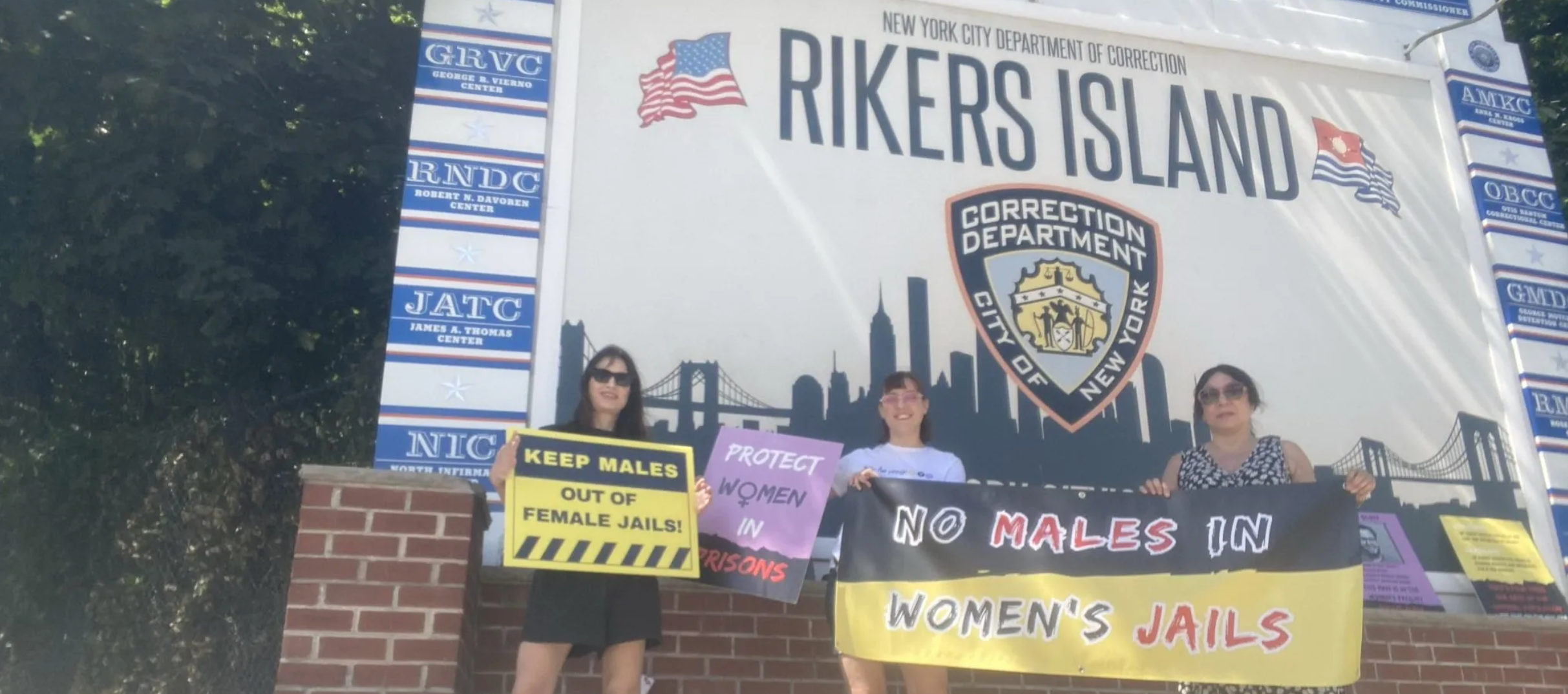
Across the county, incarcerated women are being locked up with men. Due to the “inclusionary” gender-identity policies in some areas, if a man says he feels like a woman inside, the prison has to place him in a women’s center or face accusations of discrimination.
This system is easy for predators to abuse. Under self-identification policies—that is, if someone declares they are a different sex, you have to treat them as if they really are that sex—all a man has to say to get into the women’s unit of a prison is “I am a woman.” Arguing with him is taken as hatred or bigotry. There are large, well-funded interest groups ready to sue at the slightest hint of “transphobia.” Meanwhile, the people most impacted by this, the women, are ignored, have their stories buried by the media, and have to rely on the small women’s organizations that still have empathy for them despite being ordered to center the men’s feelings.
Incarcerated men and women are housed separately for a reason. If we pretend that reason doesn’t exist, it puts incarcerated women at risk of sexual assault, unwanted pregnancies, and emotional and physical suffering.
MYTH 1: No one cares.
MYTH 2: These prisoners aren’t a danger to women.
MYTH 3: They’re vulnerable victims at risk of rape.
MYTH 4: They’re housed away from the women in separate units.
MYTH 5: They’re a marginalized group with very little power.
MYTH 6: They’re not a sexual risk to women.
MYTH 7: The women are fine with this.
MYTH 8: Sex offenders can’t be transferred.
MYTH 9: The women can take care of themselves.
MYTH 10: Prison guards prevent rape before it happens.
MYTH 11: It can’t get any worse. Right?
MYTH 1: This is so rare, it’s not worth caring about.
FACT: Even after the executive orders, there are still men in women’s state prisons, including well-known sex offenders and serial killers, and a long waiting list of men in CA waiting to transfer.
In January 2025, if all men claiming to be women were housed in women’s prisons, they would make up 15% of all inmates in federal women’s prisons.
This only covers federal prison, not state prison. We don’t know how many men are in state prisons because special-interest groups have lobbied to stop the public from getting this information. Most significantly, the ACLU, an organization that once fought for greater government transparency and freedom of information, sued to prevent the public from knowing how many men were in women’s prison in the state of Washington.
In spite of the secrecy and muddled record-keeping, we do know of numerous specific men being housed in women’s prisons, including the following:
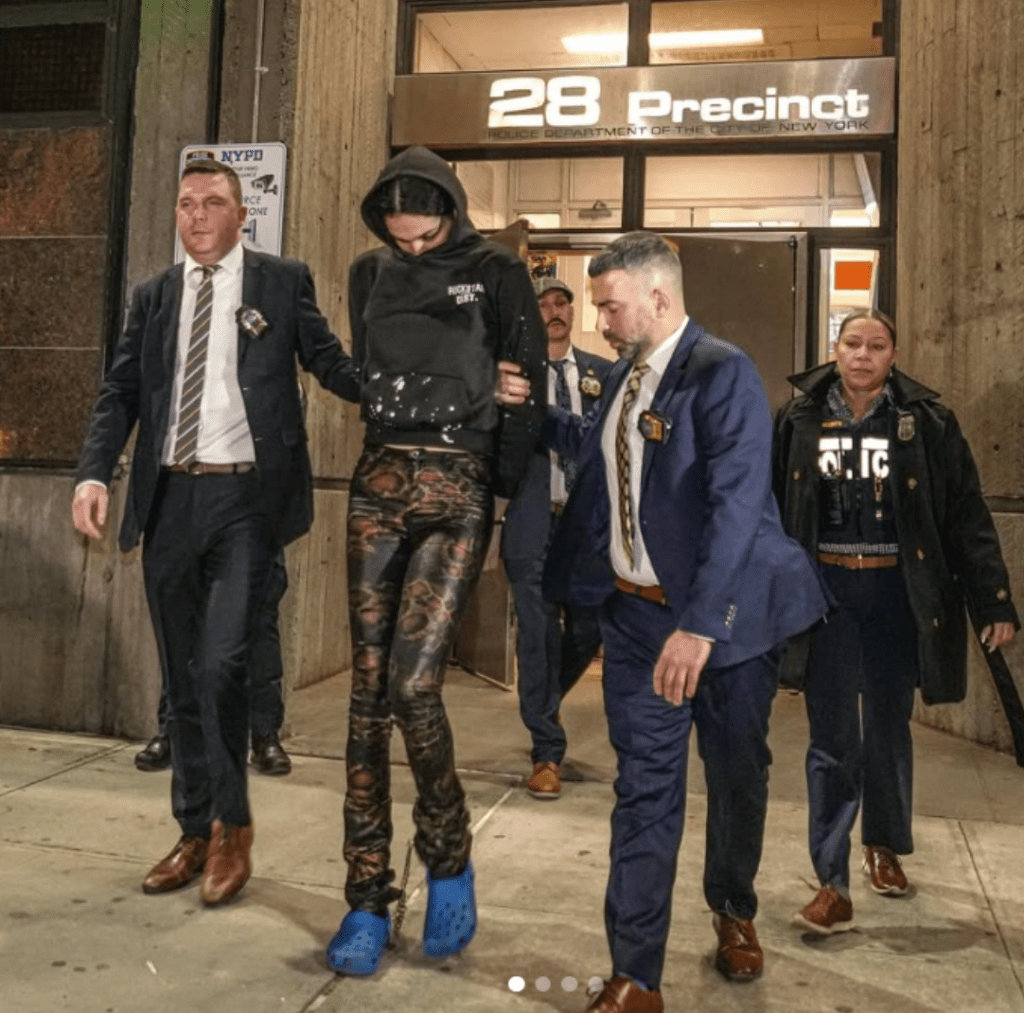
Jaia Cruz is a 6’4” man who stabbed a postal worker to death for accidentally cutting in a deli line in January 2025, is being housed in the Rose M. Singer Center, the Riker’s women’s center, while awaiting trial. 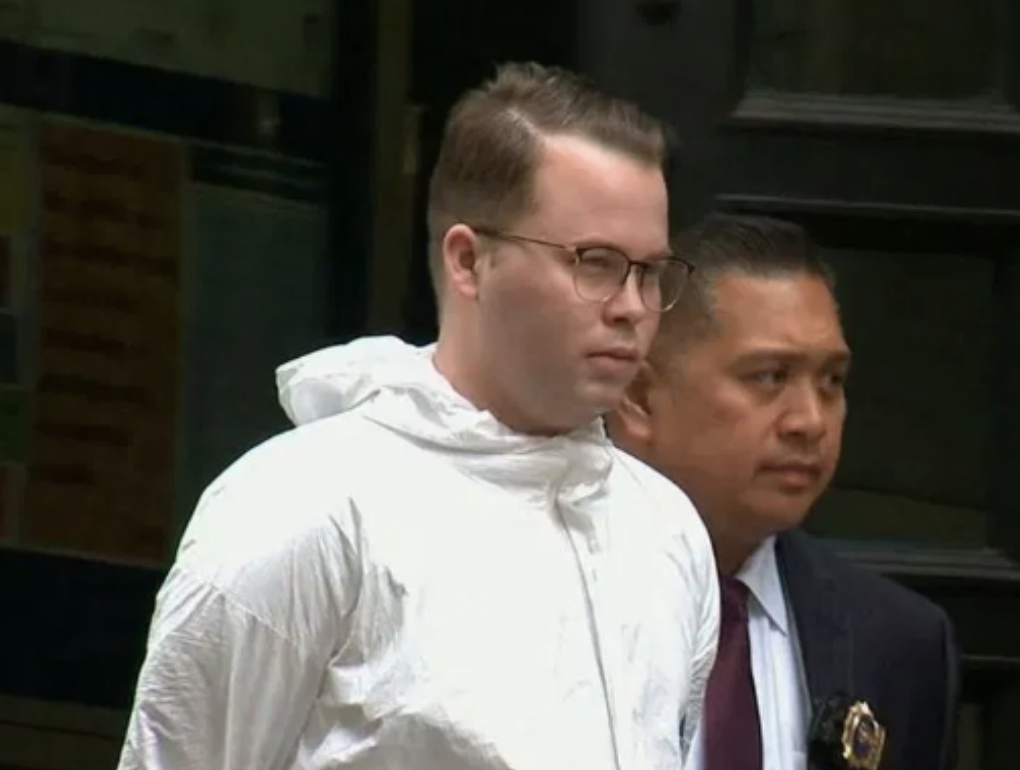
Alex Ray Scott is on trial for murder in two different states: Oklahoma and New York. He also molested a child in Oklahoma. After being arrested, Scott declared he was a woman. Despite his history of violence and sexual assault, and his very obvious gaming of the prison system, Scott was housed in a woman’s correctional facility. 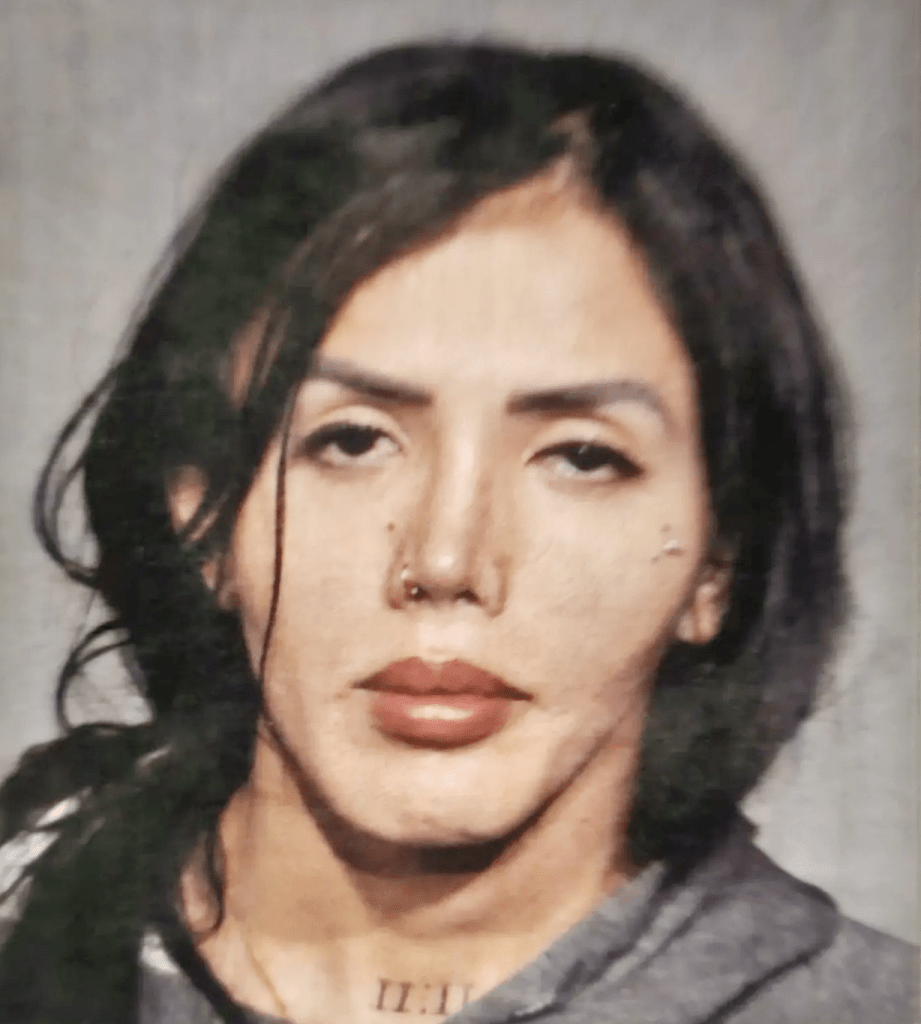
Nicol Suarez raped a 14-year-old boy in a bathroom in East Harlem and is currently being held in the women’s center at Rikers, with his gender listed as “female.” 
Nikki Secondino is being held without bail in the women’s unit at Rikers Island jail in New York City for murdering his father with a hammer and a knife and then stabbing his sister in the family’s Brooklyn home in late December, 2022. 
Other men have previously been held at the Rose M. Singer Center and then moved elsewhere: Alberto Rodriguez Marrero (who calls himself Rona Sugar Love) was held there while awaiting trial for assaulting a woman, attempted murder, and robbery. 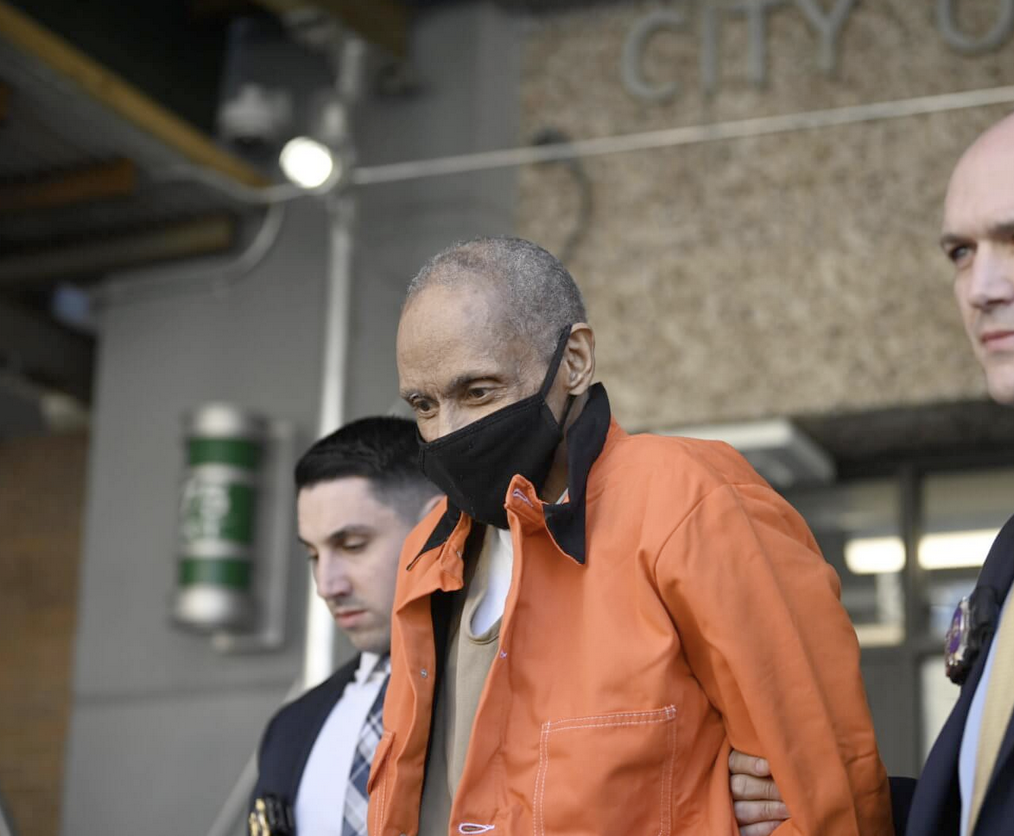
Harvey Marcelin, a serial killer who committed his first rape when he was 14 and recently dismembered a woman and scattered pieces of her body around Brooklyn, was also placed in the Rose M. Singer Center before being moved to the infirmary. 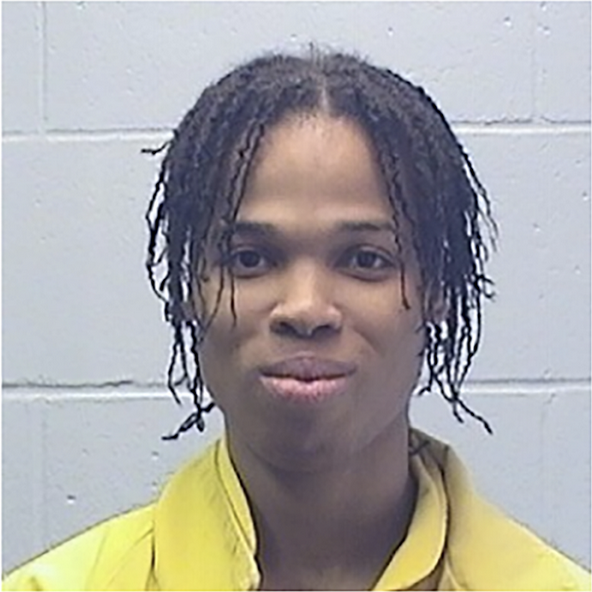
Andre Patterson, aka Janiah Monroe, is serving time at Logan Correctional Center for women in Illinois for a slew of crimes, including second-degree murder, attempted murder, aggravated battery, and attempted aggravated arson. When he was 17, he strangled his male cellmate to death. Despite his propensity for extreme violence, Patterson was placed in a women’s facility, where he committed several acts of sexual assault against female inmates, including rape. 
Thomas Preston Lamb, aka Michelle Renee Lamb, was incarcerated for the kidnapping of one woman and murder of another. He’s another example of a man who only claimed he was “transgender” after he was arrested. Lamb is serving his time in the only women’s prison in Kansas. 
Andrew Balcer, aka Andrea Balcer, stabbed both of his parents and killed the family dog in 2016. He is being housed in the women’s section of the Maine Correctional Center. 
Nathan Goninan, aka Nonnie Marcella Lotusflower, is serving a ten-year sentence at Washington Correctional Center for Women (WCCW) for the brutal murder of a seventeen-year-old girl. Hours after being released from prison for another crime, Gonian sexually assaulted and strangled the teenager to death. Since being incarcerated, Goninan has been accused raping a female inmate and charged with assaulting a female correctional officer.
MYTH 2: These prisoners are no danger to women.
FACT: They’re much more dangerous to women than the average prisoner.
Men claiming a female “gender identity” are nearly three times more likely to be assigned to a “high” security level as compared to the overall prison population, which includes both men and women. Specifically, 33% of men who say they are ‘trans’ are designated as high security risks, whereas only 11% of the general population holds this classification.
| Trans-identifying males: | 51.26% |
| General BOP prison pop: | 13.5% |
| Trans-identifying females: | 7.46% |
In addition to representing 33% of high security risk inmates, 50% of male federal inmates who identify as transgender are serving sentences for sexual offenses. Trans-identifying males are four times as likely to be incarcerated for sex offenses as compared to the general prison population, which includes both men and women. (Data from the Federal Bureau of Prisons, courtesy of KPSS.)
These charges aren’t for prostitution or sex work, as some claim. Here’s the breakdown for the types of crimes classed as sex offenses:
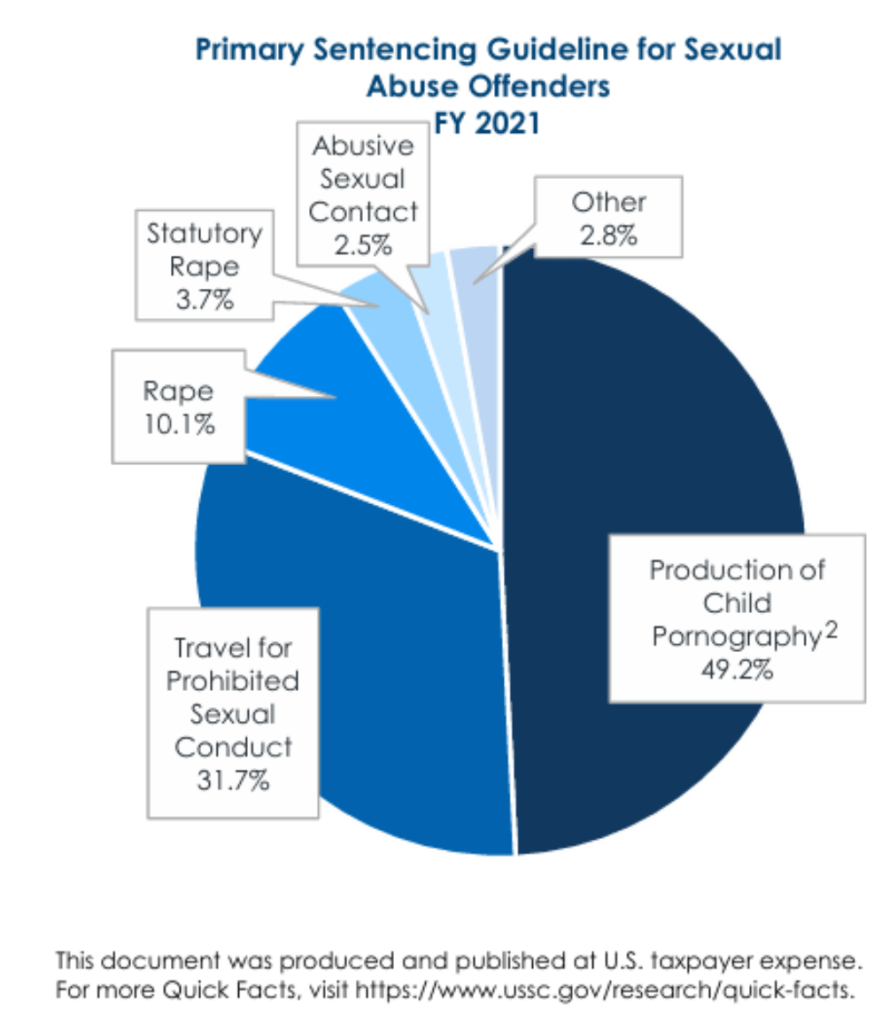
According to the California Department of Corrections and Rehabilitation, one-third of men requesting transfers from men’s to women’s prisons are registered sex offenders (California is one of the few states with accessible data on this issue). Sexual homicide perpetrators have been found to have a high occurrence of genital and gender dysphoria. (Source.) In a 1988 study of sexual homicide killers, 54% of sexual homicide perpetrators were cross-dressers or transvestites. Today, these men would be called “transwomen.”
Advocates for gender identity policies assert that transgender women (males) do not pose a risk to women. However, research shows that men, regardless of hormone therapy, lowered testosterone, or gender surgery, maintain male levels of criminality. Additionally, some trans-identifying men discontinue hormone treatment upon transferring to women’s prisons in order to be able to have erections.
MYTH 3: If men claiming to be women aren’t housed with women, it puts them at risk of rape and physical abuse.
FACT: When male and female prisoners are housed together, women are the ones at risk of rape.
Just as we are instructed to pretend a dangerous rapist would never say he feels like a woman to gain access to female-only spaces, we are instructed to look the other way when the male rapists rape the women they are housed with.
Female prisoners are routinely harassed, attacked, and sexually assaulted by the men they are forced to share cells, showers, and toilets with. In some prisons, women take turns staying awake to safeguard each other against attacks by men in the night.
Rikers’ policies allowing men to self-identify into the women’s center, the Rose M. Singer Center, have led to predictable outcomes. Ramel Blount, aka Diamond Blount, raped a female inmate in the Rose M. Singer Center as she was exiting the shower in 2021. He pleaded guilty and was sentenced to seven years in prison. In 2023, a female prisoner sued New York City for implementing the self-ID policies that allowed a male inmate identifying as “transgender” to be housed in the Rose M. Singer Center, where he raped her and other female inmates.

In New Jersey, an incarcerated woman at Edna Mahan Correctional Facility for Women was repeatedly raped by a male prisoner who was transferred to the facility after claiming a “trans” identity. Edna Mahan also saw two women impregnated in prison by a man who thought womanhood meant getting to keep his penis.
In California, inmate Krystal Gonzales was sexually assaulted by a man who claimed to be a woman. Prison staff described the man as a “transwoman with a penis.”
Andre Patterson, mentioned above, has raped a female inmate and sexually assaulted several others at Logan Correctional Center for women in Illinois. Shockingly, when Corrections officials attempted to return Patterson to a men’s facility, the move was overruled by the Illinois governor’s office.
Nathan Goninan, also mentioned above, has been accused of raping a female inmate and charged with the assault of a female corrections officer.
Moreover, there is another risk factor that makes male prisoners more likely to be targeted for victimization and it is shared by about half these men—the nature of their convictions. These men are not targeted for being trans, but for being sex offenders. Prison gangs have historically targeted inmates who have been convicted of sex crimes. Inmates who have been convicted of sex crimes have been found to be at a higher risk of victimization by other inmates. (Source.) They also are more likely to report being victimized in prison. (Source.)
Since half of these men are sex offenders, this already puts them at increased risk of attack and victimization. Their special identity may not even have anything to do with it.
In California, where the rate of fatalities of prisoners is twice the national average, sex offenders make up a significant percentage of the victims, as revealed by analysis of correctional records conducted by the Associated Press. Again, it is the characteristics of their offenses rather than their gender identity that increases their risk of being assaulted by other inmates. Male sex offenders make up 15% of the prison population but account for nearly 30% of prison homicide victims.
MYTH 4: ‘Trans’ inmates are being kept away from the women in a separate unit.
FACT: ‘LGBTQ+’ units are closing due to activist pressure.
While there should absolutely be safeguards to prevent anyone from being raped in prison, placing men in women’s units was not the answer. In fact, trans-identified male prisoners initially asked for their own space. It was activist pressure that put them in the women’s section.
Chase Strangio—currently the deputy director of transgender justice for the ACLU), was one of the lawyers for the Sylvia Rivera Law Project tasked with evaluating where trans inmates should be housed. Strangio now admits, “We asked [trans] people in prison what they needed, and they all said that they wanted a trans unit.” The lawyers had other ideas, arguing that separate facilities would be stigmatizing for inmates. They recommended that inmate housing should not be based solely on sexuality or gender identity. The Department of Justice accepted their recommendations, which resulted in several “LGBTQ+“ units closing. Even when these facilities exist, cases such as Blount’s demonstrate that men with a “female” gender marker can be housed with women.
Under federal law, male inmates can be placed in women’s prisons due to guidelines established by the Prison Rape Elimination Act (PREA). The creation of separate facilities or units expressly for transgender individuals is prohibited under PREA standards.
“The law does not articulate an exclusion for males who have been incarcerated for sex crimes against women and girls, or who are registered sex offenders, or who have committed prior criminal acts of abusing women,” explained U.S. Director of Keep Prisons Single Sex (KPSS) Amanda Stulman.
MYTH 5: These policies support marginalized groups with very little power.
FACT: These prisoners have the backing of millions of dollars and huge legacy organizations, while the women have almost nothing. As a result, claiming a “trans” identity comes with special privileges.
No marginalized group in history has achieved this degree of wealth, power, and influence in only a couple decades. Organizations advocating for men who claim “transgender” identities include the ACLU/NYCLU, Legal Aid Society, Vera, and the Sylvia Rivera Law Project. Each of these institutions has millions of dollars in assets according to recent tax filings.
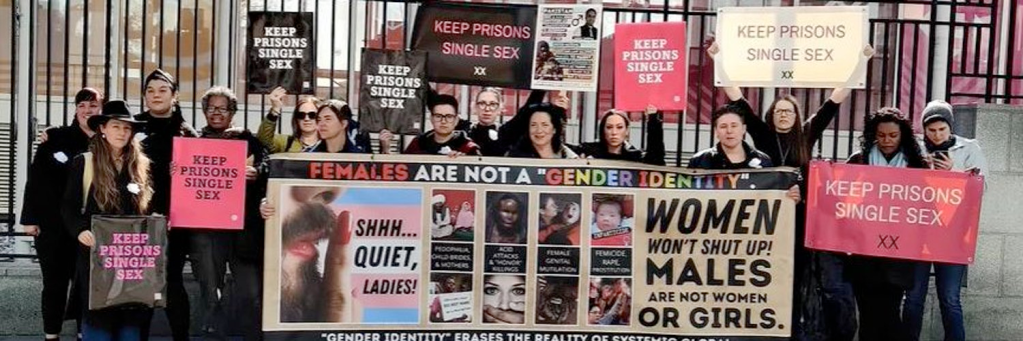
Meanwhile, the organizations that have formed to fill the advocacy gap for incarcerated women are smaller, have fewer resources, and are often run by volunteers. Women’s Liberation Front is currently the only organization with the resources to submit lawsuits on behalf of incarcerated women harmed by self-ID policies. WDI USA is the second-largest national organization that unapologetically centers women, and has prison advocates on their board. Smaller organizations such as Woman II Woman and Keep Prisons Single Sex USA focus only on prison advocacy. The work these women do is heroic, but they often do it at great personal and financial cost, with only a fraction of the influence legacy institutions have.
As a result of this lopsided advocacy, men pretending to be women have been able to frame privileges as rights and empathy for women as bigotry towards men. The main topic of discussion is whether policies are beneficial for the men claiming a “transgender” identity, with no consideration to whether policies based on “gender identity” put women in danger.
A woman in Central California Women’s Facility reported that “these men or transgender persons get to decide where they want to live; prison and/or room. If women object to them getting moved into a room, the women will be moved to accommodate the transgender person. Essentially, the men or transgender has more rights than a woman in a women’s prison.” No other group of prisoners gets this special treatment.
Additional perks include special clothes, cosmetic surgery, including breast implants and facial feminization.
Nathan Goninan, mentioned above, requested and received breast implants while serving a sentence for the sexual assault and murder of a teenage girl.
MYTH 6: The men transferred to women’s prisons do not pose a sexual risk to female inmates.
FACT: The majority of males housed in women’s prison are straight men with fully intact penises.
The U.S. is housing violent male sex offenders who have fully intact male genitals and who are female-attracted in women’s prisons and jails. More than 60% of trans-identified males say they are sexually attracted to women.

According to studies, less than 15% of trans-identifying males have undergone genital surgery. Because trans-identified males are largely attracted to women, they prefer to keep their penises. The Minimum Standards for NYC correctional facilities also “require the Department not assign a housing placement based solely on the inmates’ external genital anatomy but that gender identity also be considered.”
As a result of these policies, incarcerated women are being forced to undress and shower in spaces with men who claim a female “gender identity” but have fully intact male genitalia. California’s SB132 has led to particularly egregious situations.
A “woman prisoner in the United States cannot take a shower in peace,” a female inmate told the organization Keep Prisons Single Sex (KPSS).
MYTH 7: Most incarcerated women do not mind sharing their cells and spaces with men.
FACT: Female inmates report being terrified and traumatized by the men’s presence. The women have been harassed, attacked and even sexually assaulted.
Women’s carceral facilities provide female inmates with the opportunity to heal and rehabilitate while they are serving time. This is impossible when women are perpetually frightened and anxious.
Give these women a voice, and the truth comes out.
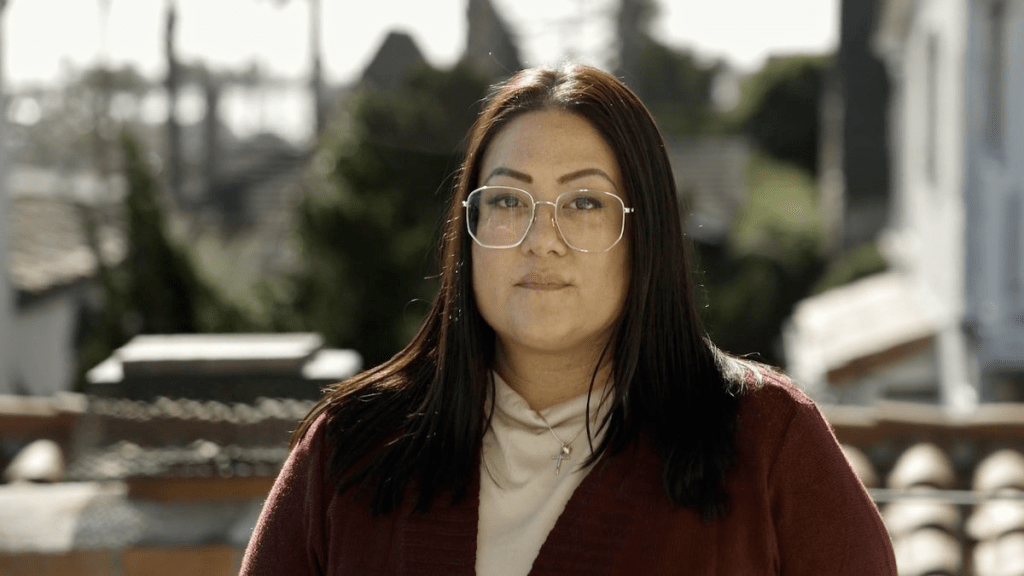
Said Amie Ichikawa, a prominent advocate for women’s rights in prisons, “There is a young lady who contacted me when this first started [men moving into the women’s facility], and she was devastated. She said, ‘This is breaking my heart because this is the only place I felt safe and comfortable to be a woman.’ And I thought, yeah, it’s gone, that safety is gone. It’s prison and it’s not like we want to glorify it, but that feeling of calm and safety is gone. And that’s when I started to understand how important women-only spaces are.”
“The vast majority of women in prison now live in a state of fear, defensiveness, and ‘flight or fight’ mentality,” states Ayanna Green, a formerly incarcerated woman.
“Prison rape is nothing new,” writes Amber Jackson, an incarcerated woman who pens a column for the Santa Monica Observer. “However, until now there were never live males with full anatomy sharing showers with us in a group shower room.”
“Once a woman makes it clear that she is not interested in befriending or hanging out with these men, they become petty, like a little boy that is rejected in grade school.” Rhonda Fleming, an inmate in California, told KPSS. “It is a frightening experience because these men are not petite, effeminate males, but large, strapping, aggressive, criminal-minded men, violent inmates.”
MYTH 8: Men who are serving time for serious crimes and sexual offenses against women are ineligible to be transferred to women’s prisons.
FACT: There are both state and federal laws on the books that don’t take sex-offender status into account when putting men in women’s prisons.
Under federal law, male inmates can be placed in women’s prisons due to guidelines established by the Prison Rape Elimination Act (PREA).
“The law does not articulate an exclusion for males who have been incarcerated for sex crimes against women and girls, or who are registered sex offenders, or who have committed prior criminal acts of abusing women,” explained U.S. Director of Keep Prisons Single Sex (KPSS) Amanda Stulman. The ACLU even considers it discriminatory to consider a man’s sex-offender status at all when placing him in a woman’s prison.
As a result of not taking past indicators that a man is sexually violent towards women into account, states with self-ID policies, including California and New York, have had to move men out of the women’s center only after their negligent policies allowed the men to rape female inmates. Those were just the ones they believed. California, which allows men into women’s prisons through SB132, doesn’t even track how many women have been assaulted by men claiming a female “gender identity.”
MYTH 9: The women housed with men are hardened and repeat criminals who can take care of themselves if threatened by their male cellmates.
FACT: More than 80% of incarcerated women have experienced physical and sexual assault prior to entering prison–often by a domestic partner husband, or male relative. These women are traumatized and frightened of men.

Currently, more than a quarter of the women in state prison are serving time for drug offenses; the majority of these offenses are non-violent. Men are far more likely than women to be incarcerated for violent crimes. Men commit 79% of violent offenses and men are responsible for nearly all (99%) of sexual offenses. By contrast, women are incarcerated primarily for property and drug offenses.
Women’s experiences with male violence are directly linked to their involvement in the legal system, and many of them suffer from severe PTSD as a result. Forcing women to share close, intimate quarters with men, with no avenue of escape, causes many women to relive their trauma. This inhumane practice puts women at a high risk of physical danger and seriously impairs their recuperation, mental health, and general well-being.
MYTH 10: Prison guards and staff prevent physical and sexual assaults before they happen.
FACT: Staff cannot be everywhere and rapes have occurred after dark and in isolated areas in the facility. Additionally, many guards are reluctant to intervene for fear of being labeled transphobic and/or punished/sued/fired.
According to the US Congress, “Experts have conservatively estimated that at least 13% of the inmates in the United States have been sexually assaulted in prison. Many inmates have suffered repeated assaults. Under this estimate, nearly 200,000 inmates now incarcerated have been or will be the victims of prison rape. The total number of inmates who have been sexually assaulted in the past 20 years likely exceeds 1,000,000.” (Source.)
One inmate who was subjected to multiple rapes by another inmate described a culture of indifference from guards.
Guards at New York’s Rikers Island repeatedly ignored pleas from inmates to remove a male from the female housing. Their lack of care resulted led to the man raping a woman while she was sleeping. (Source.)
Staff often discourage female inmates from filing reports because it causes them more paperwork and hassle. In California, Cathleen Quinn, a female inmate reported that a male inmate was repeatedly peeping on her while she used the bathroom. Quinn complained to correctional officers and also objected to the state allowing men to be housed in the woman’ prison. As a result of this, Quinn lost her parole date.
MYTH 11: It can’t get much worse, right?
FACT: Not only does New York’s version of CA’s disastrous SB132 keep getting introduced, New York’s state constitution reframes advocacy for women as bigotry against men.
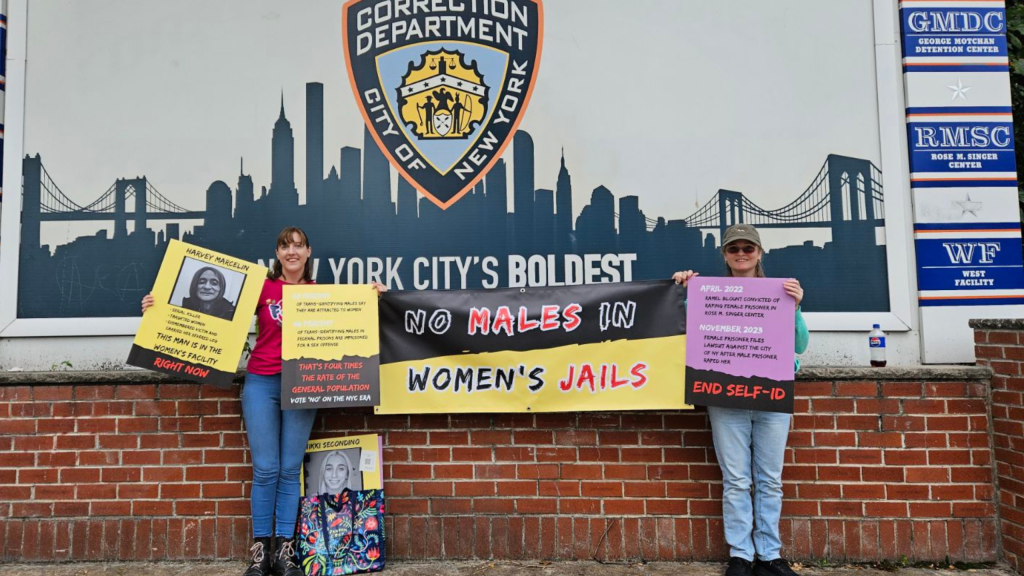
New York learned no lessons from the rape and abuse SB132 facilitated, and misguided lawmakers keep introducing a bill that would require state and local correctional facilities to use preferred pronouns, get commissary items and clothing for the purpose of “affirming” their “gender identity,” and house men in women’s centers if they claim a female “gender identity.” Currently, it is S1049.
Notably, the bill reads:
A denial of presumptive placement shall not be based on any discriminatory reasons, including but not limited to (a) the past or current sex characteristics, including chromosomes, genitals, gonads, other internal or external reproductive anatomy, secondary sex characteristics, or hormone function of the person whose housing placement is at issue, (b) the sexual orientation of the person whose housing placement is at issue, (c) the complaints of other incarcerated individuals who do not wish to be housed with a non-cisgender or intersex person due to that person’s gender identity or sex characteristics, or (d) a factor present among other people in the presumptive housing unit or facility.
That is, a straight man with an intact penis could say he feels like a woman inside, and it would be considered discriminatory for the women he is housed with to complain. The potential for exploitation is obvious.
Gender activists in New York have expressed little interest in keeping violent rapists from gaming the system, and, in fact, they even platform them. Xena Grandichelli, who admitted to raping a 3-year-old girl repeatedly, is a prominent local “trans” activist who has given talks at Columbia and NYU presenting himself as a vulnerable minority.
Not only that, a recent constitutional amendment, the Equal Rights Amendment, has severely hampered the ability of women’s rights advocates in New York to work on behalf of incarcerated women. The definition of “sex” in our state constitution has been modified to include “gender identity” and “gender expression.” That is, our state government now considers any acknowledgment of women’s sex-based rights to be discriminatory, since enforcing them would leave out men who claim womanhood for themselves.



Leave a Reply